Why Protein Powder Causes Bloating (Even If It’s ‘Clean’)
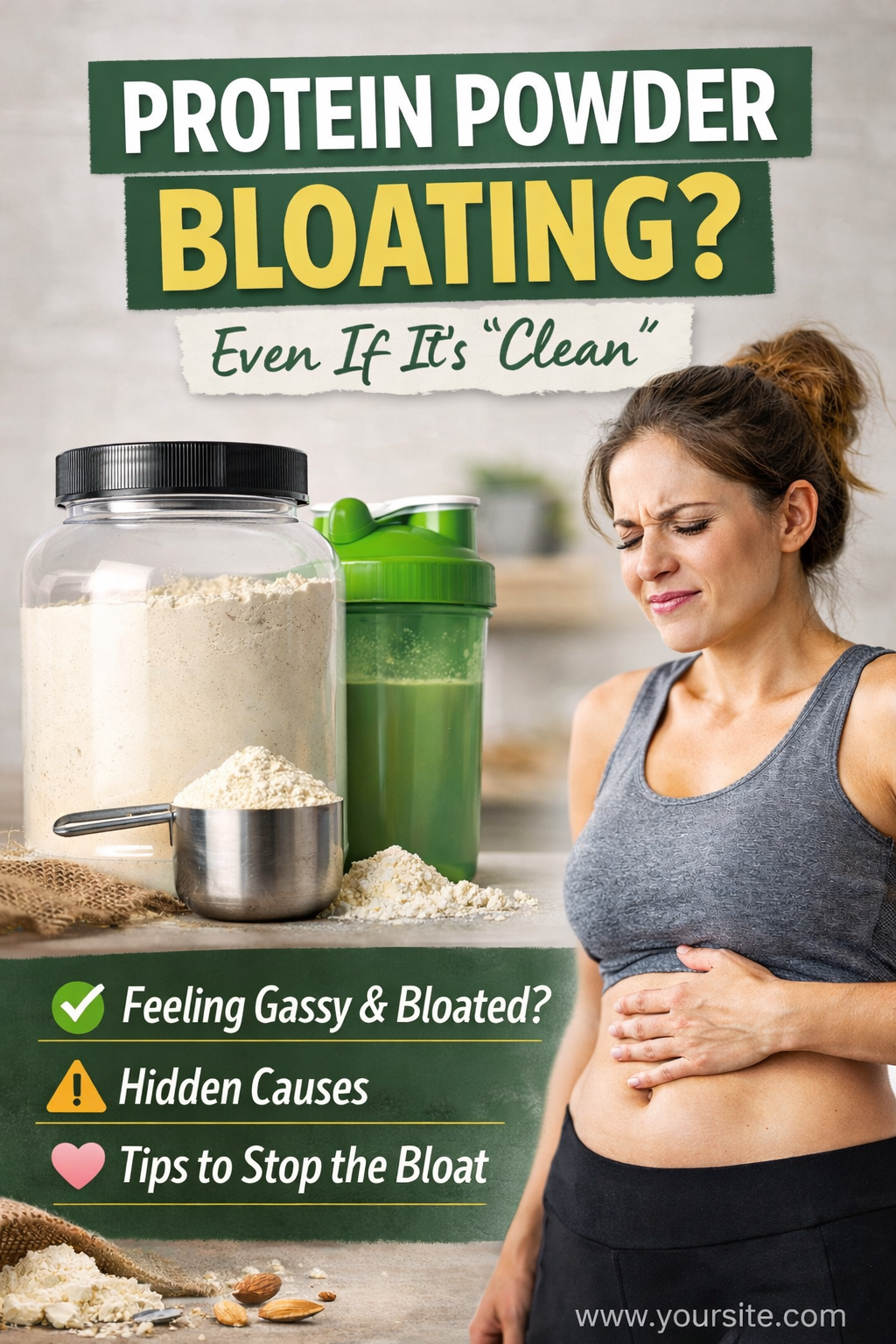
Protein powder should fuel your body, support muscle growth, and keep you energized—but for many people, it causes bloating, gas, and discomfort. Even “clean” protein powders can irritate sensitive guts. In this post, we’ll explain why this happens, how to spot it, and what you can do to feel better after every shake.
Why Your Protein Powder Might Be Making You Bloated
Most protein powders are designed to be healthy, convenient, and easy to digest. In theory, they should help you feel great. But if you have a sensitive gut, these powders can have the opposite effect. The issue isn’t always the protein itself—it’s how your digestive system reacts to it. If you’ve noticed bloating after protein shakes, your gut may be trying to tell you something important.
4 Reasons Protein Powder Causes Bloating
1. Fermentation in the Gut
Many proteins, especially whey and plant-based powders, contain carbs or fibers that feed gut bacteria. When these bacteria ferment the protein, they produce gas. While fermentation is normal, in a sensitive gut, this can lead to bloating, cramping, and discomfort. Choosing a protein with low fermentation potential can help reduce bloating.
2. Histamine Release from Protein
Certain proteins trigger histamine, a compound involved in digestion and inflammation. For people with histamine intolerance or reduced DAO activity, protein shakes may lead to bloating, headaches, skin flare-ups, flushing, or fatigue. Some protein powders are more likely to raise histamine levels, especially those that are fermented, aged, or heavily processed.
Examples of higher-histamine or histamine-triggering protein powders include:
-
Whey protein concentrate (especially if not fresh or highly processed)
-
Fermented plant proteins (such as pea or soy protein isolates)
-
Protein powders with probiotics or fermented ingredients
-
Collagen powders for some individuals, depending on tolerance
On the other hand, certain proteins tend to be better tolerated by sensitive guts when they are fresh, minimally processed, and free from triggering additives.
Examples of lower-histamine or better-tolerated protein options may include:
-
Whey protein isolate (highly filtered and lower in histamine potential)
-
Hydrolyzed proteins, which are partially broken down for easier digestion
-
Simple, additive-free protein powders without gums, flavors, or sweetener.
3. Additives and Sweeteners
Even “clean” powders often include emulsifiers, gums, or artificial sweeteners to improve texture. These additives can irritate the gut, pull water into the intestines, and cause that heavy, bloated feeling.
4. Low Stomach Acid
If your stomach doesn’t produce enough acid, protein may not break down properly. Undigested protein travels to your intestines, where it ferments and produces gas, bloating, and discomfort. Supporting digestion with enzymes or choosing a protein designed for sensitive guts can make a big difference.
Signs Protein Is Irritating Your Gut
If you notice any of these symptoms after drinking protein shakes, your gut may be sensitive:
-
Bloating or distention
-
Gas or cramping
-
Feeling sluggish or heavy
-
Flare-ups of histamine-related symptoms like headaches or skin issues
What Sensitive Guts Need Instead
People with sensitive digestion often do better with:
-
Easily digestible proteins with low fermentation potential
-
Low-histamine or histamine-neutral formulas
-
Additive-free powders
-
Digestive supports, like enzymes or stomach acid boosters
-
One simple change—switching to a gut-friendly protein like Opportuniteas Grass Fed Whey Protein can prevent bloating and keep you energized.
Recommended Protein for Sensitive Guts
If you’ve struggled with bloating from other protein powders, a high-quality, gut-friendly protein can make all the difference. I recommend:
Opportuniteas Grass Fed Whey Protein – clean, easily absorbed, and gentle on sensitive digestion. Perfect for anyone who wants to get the protein their body needs without the bloating.
How Protein Formulation Affects Tolerance
Not all protein powders are created equal. How a protein is processed, blended, and supported can dramatically change how your gut reacts. Proper formulation reduces bloating, gas, and digestive discomfort while still providing muscle-building protein your body needs. This is why I focus on sensitive-gut formulations—to give your body the protein it needs, without the bloat.