Blog - OC Functional Nutritionist

Why-Protein-Causes-Bloating.png

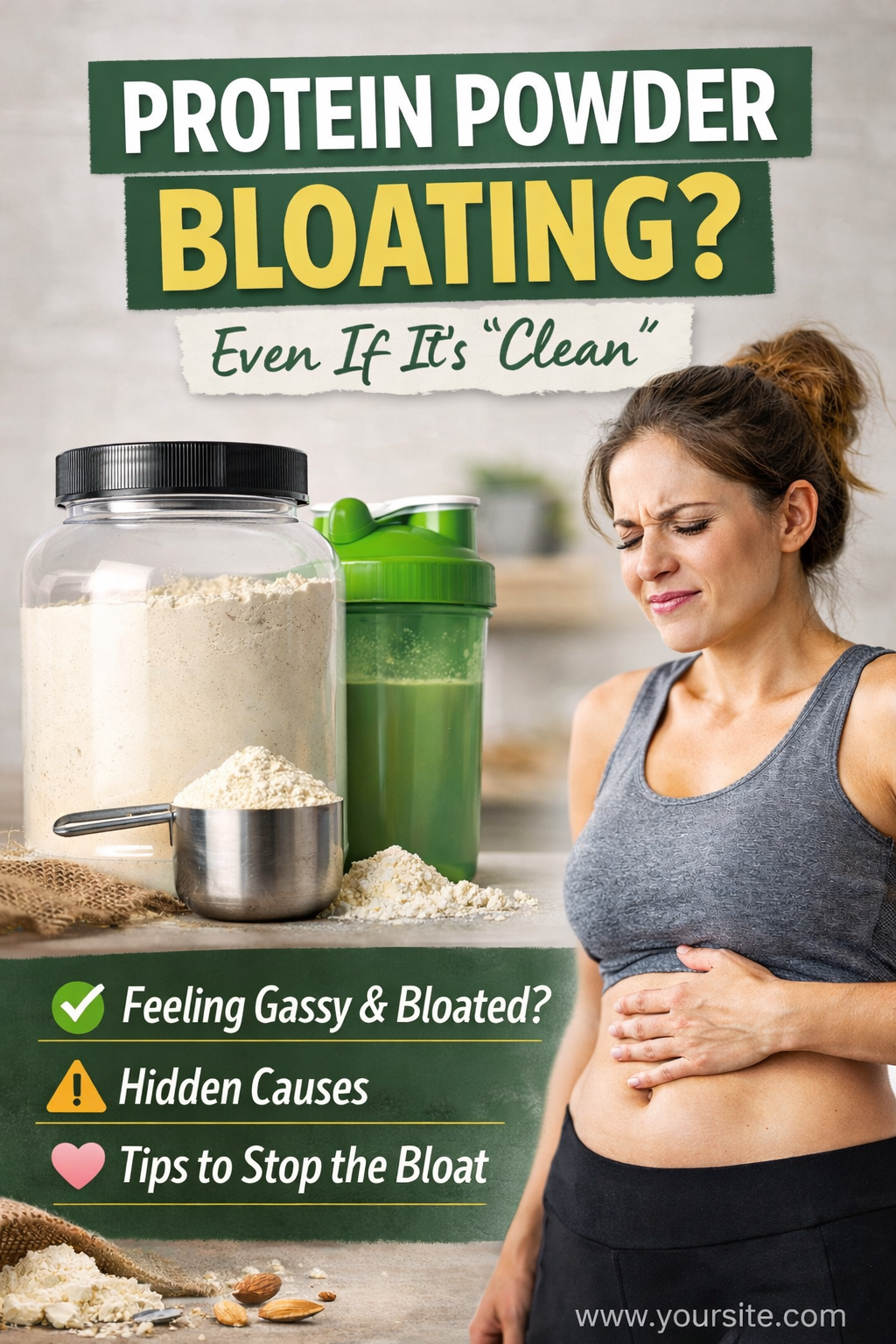
Why Protein Powder Causes Bloating (Even If It’s ‘Clean’)

Protein powder should fuel your body, support muscle growth, and keep you energized—but for many people, it causes bloating, gas, and discomfort. Even “clean” protein powders can irritate sensitive guts. In this post, we’ll explain why this happens, how to spot it, and what you can do to feel better after every shake.


Why Your Protein Powder Might Be Making You Bloated

Most protein powders are designed to be healthy, convenient, and easy to digest. In theory, they should help you feel great. But if you have a sensitive gut, these powders can have the opposite effect. The issue isn’t always the protein itself—it’s how your digestive system reacts to it. If you’ve noticed bloating after protein shakes, your gut may be trying to tell you something important.


4 Reasons Protein Powder Causes Bloating

1. Fermentation in the Gut

Many proteins, especially whey and plant-based powders, contain carbs or fibers that feed gut bacteria. When these bacteria ferment the protein, they produce gas. While fermentation is normal, in a sensitive gut, this can lead to bloating, cramping, and discomfort. Choosing a protein with low fermentation potential can help reduce bloating.

2. Histamine Release from Protein

Certain proteins trigger histamine, a compound involved in digestion and inflammation. For people with histamine intolerance or reduced DAO activity, protein shakes may lead to bloating, headaches, skin flare-ups, flushing, or fatigue. Some protein powders are more likely to raise histamine levels, especially those that are fermented, aged, or heavily processed.

Examples of higher-histamine or histamine-triggering protein powders include:

  • Whey protein concentrate (especially if not fresh or highly processed)

  • Fermented plant proteins (such as pea or soy protein isolates)

  • Protein powders with probiotics or fermented ingredients

  • Collagen powders for some individuals, depending on tolerance

On the other hand, certain proteins tend to be better tolerated by sensitive guts when they are fresh, minimally processed, and free from triggering additives.

Examples of lower-histamine or better-tolerated protein options may include:

  • Whey protein isolate (highly filtered and lower in histamine potential)

  • Hydrolyzed proteins, which are partially broken down for easier digestion

  • Simple, additive-free protein powders without gums, flavors, or sweetener.

3. Additives and Sweeteners

Even “clean” powders often include emulsifiers, gums, or artificial sweeteners to improve texture. These additives can irritate the gut, pull water into the intestines, and cause that heavy, bloated feeling.

4. Low Stomach Acid

If your stomach doesn’t produce enough acid, protein may not break down properly. Undigested protein travels to your intestines, where it ferments and produces gas, bloating, and discomfort. Supporting digestion with enzymes or choosing a protein designed for sensitive guts can make a big difference.


Signs Protein Is Irritating Your Gut

If you notice any of these symptoms after drinking protein shakes, your gut may be sensitive:

  • Bloating or distention

  • Gas or cramping

  • Feeling sluggish or heavy

  • Flare-ups of histamine-related symptoms like headaches or skin issues


What Sensitive Guts Need Instead

People with sensitive digestion often do better with:

  • Easily digestible proteins with low fermentation potential

  • Low-histamine or histamine-neutral formulas

  • Additive-free powders

  • Digestive supports, like enzymes or stomach acid boosters

  • One simple change—switching to a gut-friendly protein like Opportuniteas Grass Fed Whey Protein can prevent bloating and keep you energized.


Recommended Protein for Sensitive Guts

If you’ve struggled with bloating from other protein powders, a high-quality, gut-friendly protein can make all the difference. I recommend:

Opportuniteas Grass Fed Whey Protein – clean, easily absorbed, and gentle on sensitive digestion. Perfect for anyone who wants to get the protein their body needs without the bloating.


How Protein Formulation Affects Tolerance

Not all protein powders are created equal. How a protein is processed, blended, and supported can dramatically change how your gut reacts. Proper formulation reduces bloating, gas, and digestive discomfort while still providing muscle-building protein your body needs. This is why I focus on sensitive-gut formulations—to give your body the protein it needs, without the bloat.
Why-Gut-Healing-Makes-Some-Women.png

If you’ve ever thought, “Why do I feel worse when I’m doing everything right?” — you’re not alone.

So many women come to gut healing already exhausted. They’ve cleaned up their diet, added probiotics, started supplements, cut out foods… and instead of feeling better, they feel more reactive, more inflamed, and more confused.

Here’s the truth most people won’t tell you:

👉 Gut healing makes some women feel worse instead of better- and if that’s happened to you, you’re not imagining it.

Let’s talk about why this happens, what your symptoms are actually telling you, and how to heal your gut without triggering constant flares.

Why Gut Healing Should Help — But Often Doesn’t

In theory, gut healing sounds simple:

•Remove inflammatory foods

•Add beneficial bacteria

•Repair the gut lining

•Support digestion

And yes — when the body is ready, this works beautifully.

But many women start gut protocols while their nervous system, immune system, and detox pathways are already overwhelmed. When that happens, even “healthy” interventions can feel like an attack.

Instead of healing, the body goes into defense mode.

This is especially common in women who:

•Are sensitive to supplements

•Have histamine intolerance

•Have thyroid or hormone imbalances

•Have been under chronic stress

•Have tried many protocols back-to-back

Gut healing isn’t just about the gut. It’s about timing, sequencing, and capacity.

Common Reasons Symptoms Get Worse During Gut Healing

1. Histamine Release

This is one of the most overlooked reasons women feel worse.

Many gut-healing foods and supplements increase histamine, including:

•Probiotics (especially Lactobacillus strains)

•Fermented foods

•Bone broth

•Collagen

•Certain herbal antimicrobials

If your gut lining is inflamed or your DAO enzyme is low, histamine can spill into circulation, leading to:

•Headaches or pressure

•Anxiety or panic feelings

•Flushing or itching

•Heart palpitations

•Insomnia

This isn’t a failure — it’s a capacity issue.

2. Die-Off Reactions (Herxheimer Response)

When antimicrobials or supplements kill bacteria, yeast, or parasites, those microbes release endotoxins.

If your detox pathways (liver, bile, lymph, bowel movements) can’t keep up, symptoms spike:

•Fatigue

•Brain fog

•Body aches

•Bloating

•Skin flares

The problem isn’t die-off itself — it’s too much, too fast.

3. Low Stomach Acid

Low stomach acid is incredibly common in women with chronic gut issues.

Without enough acid:

•Food doesn’t break down properly

•Bacteria ferment food in the stomach

•Nutrients aren’t absorbed

•Supplements feel “too strong”

This can cause:

•Bloating after meals

•Heaviness or nausea

•Reflux that worsens with probiotics or fiber

Healing the gut without addressing stomach acid is like building a house on a cracked foundation.

4. Over-Supplementation

More is not better — especially for sensitive systems.

Stacking:

•Multiple gut supplements

•Full-dose B complexes

•Antimicrobials

•Detox supports

…can overwhelm methylation, sulfur pathways, and the nervous system.

Common signs:

•Wired-but-tired feeling

•Anxiety after supplements

•Sensitivity to smells or foods

•New symptoms appearing rapidly

Your body may not need more support — it may need less input.

Signs Your Body Needs a Gentler Approach

Your body is incredibly intelligent. It gives clear signals when it needs you to slow down.

Watch for:

•Symptoms worsening instead of stabilizing after 1–2 weeks

•New reactions to foods you once tolerated

•Feeling fragile, shaky, or overstimulated

•Relief when you stop supplements

These are not signs of weakness. They’re signs that your body needs regulation before repair.

What to Pause vs. What to Support First

What to Pause (Temporarily)

If you’re flaring, consider pausing:

•High-histamine probiotics

•Fermented foods

•Aggressive antimicrobials

•High-dose B vitamins

•“Kill first” protocols

Pausing is not quitting — it’s creating safety.

What to Support First

Before pushing gut repair, focus on:

Nervous system regulation (breathing, sleep, gentle movement)

Stomach acid support (if tolerated)

Minerals and electrolytes

Bowel regularity

Liver and bile flow (gently)

When these systems feel stable, the gut becomes much more resilient.

How to Heal Your Gut Without Triggering Flares

Here’s what sustainable gut healing actually looks like:

1. Slow, Low, and Layered

Start with one change at a time.

Low doses.

Observe for 3–5 days before adding anything new.

2. Build Tolerance Before Killing

Support digestion, minerals, and histamine clearance before antimicrobial protocols.

A regulated body heals faster than a stressed one.

3. Choose Gut Supports Strategically

Not every supplement is right for every phase.

Sometimes the most healing plan looks like:

•Fewer supplements

•More consistency

•Gentle food rotations

•Strategic pauses

4. Listen to Your Body, Not Just the Protocol

If something consistently makes you feel worse, your body is giving you data — not resistance.

Healing is not about pushing harder.

It’s about working with your physiology.

The Bottom Line

If gut healing has made you feel worse, you are not broken — and you are not failing.

You may simply need:

•A gentler approach

•Better sequencing

•Less stimulation

•More regulation

When the body feels safe, healing stops being a battle — and starts becoming sustainable.

And that’s when real progress happens.


OC Functional Nutritionist

Transform your health with OC’s top rated Functional Nutritionist. Empowering adults, teens, and children to achieve optimal health and wellness.

Contact US

Address: OC Functional Nutritionist
Phone: +1 714-801-8999
Email: ocfunctionalnutritionist@gmail.com