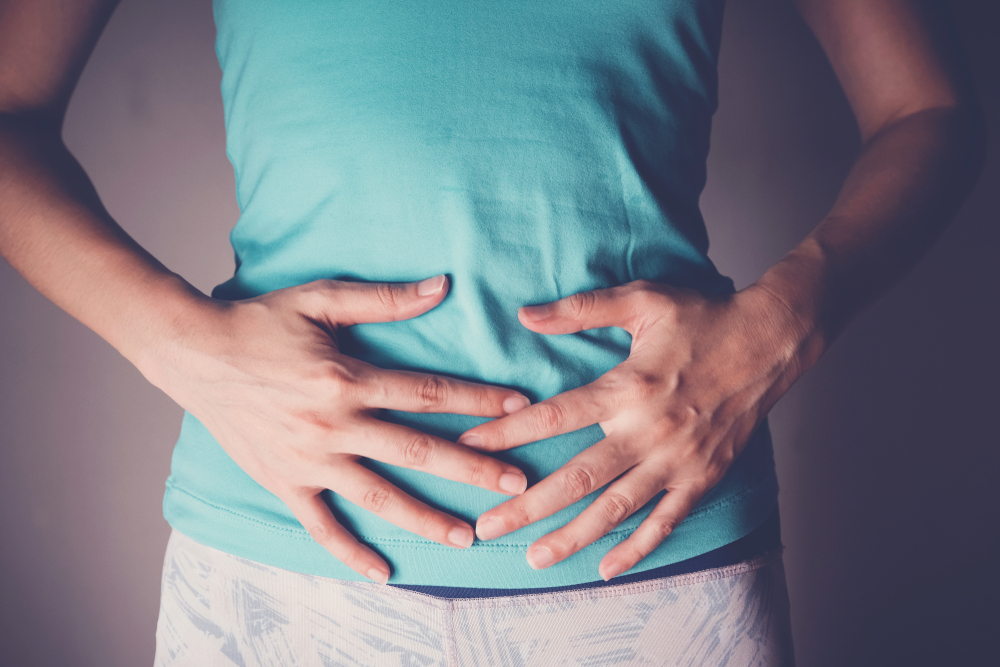
Leaky gut syndrome is a condition that has gained significant attention in recent years. It refers to increased intestinal permeability, where the lining of the intestines becomes more porous, allowing toxins, bacteria, and undigested food particles to leak into the bloodstream. This can lead to various health issues and discomfort.
This comprehensive guide will explore effective strategies to heal leaky gut. By implementing these recommendations, you can improve your gut health, alleviate symptoms, and enhance your overall well-being.
What Is Leaky Gut?
Leaky gut, medically known as intestinal permeability, is a condition where the lining of the intestines becomes damaged and allows harmful substances such as toxins, bacteria, and undigested food particles to leak into the bloodstream. This can trigger an immune response, leading to inflammation and various health issues.
What Is Leaky Gut Caused By?
A leaky gut can be caused by several factors, including:
1. Poor Diet
Consuming processed foods, refined sugars, and unhealthy fats can contribute to gut inflammation and damage the intestinal lining.
2. Chronic Stress
Prolonged stress can disrupt the balance of gut bacteria and impair the gut's protective barrier.
3. Medications
Certain medications, such as nonsteroidal anti-inflammatory drugs (NSAIDs) and antibiotics, can disrupt the gut microbiome and increase intestinal permeability.
4. Imbalance in Gut Flora
An overgrowth of harmful bacteria or a lack of beneficial bacteria in the gut can contribute to a leaky gut.
5. Environmental Toxins
Exposure to toxins like pesticides, heavy metals, and pollutants can damage the intestinal lining and contribute to a leaky gut.
6. Food Sensitivities
Consuming foods that an individual is sensitive or allergic to can trigger gut inflammation and increase permeability.
How to Heal Leaky Gut
Healing a leaky gut may take time, but following these steps can help expedite the process and promote gut health:
1. Clean Up Your Diet
Remove processed foods, refined sugars, gluten and dairy from your diet. Instead, base your diet on whole foods, including fruits, vegetables, lean proteins, and healthy fats. These nutrient-dense foods can support gut healing and reduce inflammation.
2. Identify and Avoid Food Triggers
Identify any food sensitivities or allergies by implementing an elimination diet or seeking professional help. Once identified, avoid these trigger foods to prevent further damage to the gut lining.
3. Manage Stress Levels
Stress management techniques, including meditation, deep breathing exercises, and regular physical activity, can help reduce stress and promote a healthy gut environment.
4. Restore and Support Your Gut with Supplements
Certain supplements can aid in healing a leaky gut. Some commonly recommended options include:
L-Glutamine — an amino acid that helps repair the intestinal lining.
Digestive Enzymes — these can aid in the breakdown and absorption of nutrients, reducing stress on the gut.
Collagen — helps to build new tissue and repair your gut's mucosal lining.
Zinc — this mineral is crucial in maintaining gut integrity and supporting the immune system.
Combination gut-healing formulas often include L-glutamine, aloe vera, chamomile, marshmallow and quercetin — all essential nutrients in healing the gut.
5. Reduce Toxin Exposure
Limit exposure to environmental toxins by choosing organic produce, using natural cleaning products, and filtering drinking water. This reduces the overall burden on your gut and supports its healing process.
6. Get Enough Sleep
Adequate sleep is crucial for overall health, including gut health. Make sure you get 7–9 hours of quality sleep each night to support the body's healing processes.
Best Probiotic for Leaky Gut
Reinoculating your gut with the right probiotic can make a significant difference in healing a leaky gut. Make sure you choose a probiotic supplement that meets the following criteria:
1. Multiple Strains
A probiotic with various strains, including Lactobacillus and Bifidobacterium species, can provide diverse support to the gut microbiome.
2. High CFU Count
CFU stands for colony-forming units, which indicates the number of viable bacteria in each dose. Opt for a probiotic with a higher CFU count to ensure sufficient bacterial colonization.
3. Delayed-Release Capsules
These capsules are designed to bypass the stomach's harsh acidic environment and release the probiotics in the intestines, where they are most needed.
4. Quality Assurance
Choose a reputable brand that follows good manufacturing practices (GMP) and undergoes third-party testing.
5. Individual Needs
Consider any specific health conditions or symptoms you have when selecting a probiotic. Different strains have varying benefits, so choosing one that aligns with your needs is essential.
How Long Does a Leaky Gut Take to Heal?
The healing time for a leaky gut can vary from person to person. It depends on several factors, including the severity of the condition, individual health status, adherence to a healing protocol, and underlying causes.
While it can take several weeks or even months for some individuals to experience significant improvement, following a comprehensive approach can expedite the healing process. With consistent adherence to a healthy diet, lifestyle changes, and targeted supplementation, many individuals may notice positive changes within two weeks.
It's important to remember that healing is gradual, and patience is key. Working closely with a healthcare professional specializing in gut health is advisable to create a customized plan.
Signs Leaky Gut Is Healing
As you start your journey to healing a leaky gut, you must know the signs indicating progress and improvement.
1. Reduced Digestive Symptoms
Improvement in digestive issues such as bloating, gas, diarrhea, or constipation can indicate healing of the gut lining.
2. Increased Energy Levels
Healing the gut improves nutrient absorption, increases energy levels, and improves overall vitality.
3. Enhanced Mood and Mental Clarity
A healthy gut helps to regulate your mood and improve cognitive function. You may notice a reduction in brain fog and improved mental clarity.
4. Improved Skin Health
Since the gut and skin are closely interconnected, gut healing can often lead to clearer, healthier skin with reduced conditions such as acne, eczema, or psoriasis.
5. Better Immune Function
As your gut heals, you may notice a strengthened immune system, leading to fewer instances of illness or reduced severity of symptoms.
6. Reduction in Food Sensitivities
Healing a leaky gut can help decrease food sensitivities or allergies. You may begin to feel that you can tolerate certain foods that previously caused discomfort.
7. Improved Nutrient Absorption
With a healed gut lining, your body can better absorb and utilize the essential nutrients from your foods.
Frequently Asked Questions
Can leaky gut be reversed?
A leaky gut can be reversed with the right approach. By addressing the underlying causes, following a healthy diet, managing stress, and incorporating targeted supplementation, you can support the healing of the gut lining.
Are there specific foods to avoid when healing a leaky gut?
Yes — it's advisable to avoid processed foods, refined sugars, gluten, dairy, alcohol, and artificial additives. However, individual sensitivities may vary.
Can leaky gut cause autoimmune diseases?
Evidence suggests that increased intestinal permeability may contribute to the development or exacerbation of autoimmune diseases. By healing the gut and reducing inflammation, it's possible to alleviate symptoms and improve overall immune function.
Can stress worsen a leaky gut?
Chronic stress can disrupt the balance of gut bacteria, increase intestinal permeability, and contribute to inflammation. Managing stress through relaxation techniques, regular exercise, and self-care practices can help support gut healing.
Can leaky gut be diagnosed?
Functional lab testing — such as a comprehensive stool test — can give meaningful indicators of gut barrier function (including zonulin levels).
Can a leaky gut lead to weight gain?
Leaky gut can disrupt the balance of gut bacteria, impair nutrient absorption, and trigger inflammation, which may contribute to weight gain or difficulty losing weight.
Conclusion
Healing a leaky gut requires a holistic approach that involves dietary and lifestyle changes, stress management, targeted supplementation, and patience. You can significantly improve your gut integrity and overall well-being by addressing the underlying causes and following a comprehensive plan. Work closely with a qualified practitioner to develop a personalized approach that suits your needs.
More articles
Am I in Perimenopause? 12 Early Signs Women Often Miss
Am I in perimenopause? Learn 12 early signs women often miss, from poor sleep and anxiety to bloating and histamine reactions, plus simple first steps.
Why Protein Powder Causes Bloating (Even If It's 'Clean')
Even clean protein powders can irritate sensitive guts. Here's why it happens, how to spot it, and what to do so you feel better after every shake.