Histamine Intolerance Symptoms Most Women Don't Realize Are Gut-Related

By Saundi Taggart, MS-FNTP
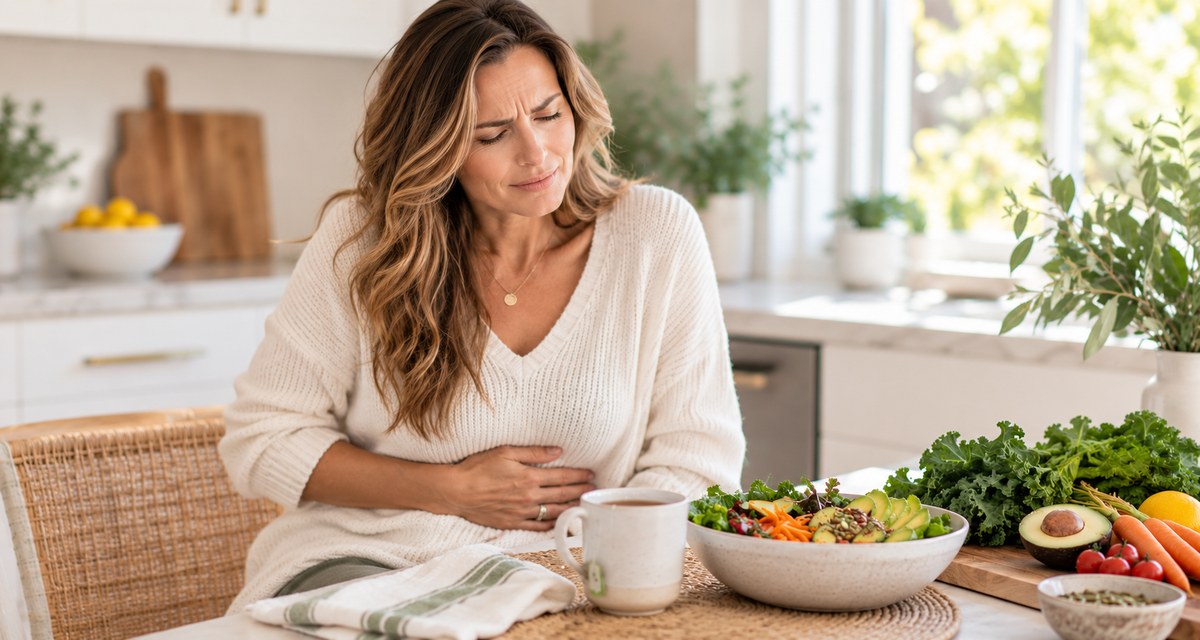
If you've been dealing with strange symptoms that don't quite fit into one neat diagnosis — bloating, anxiety after meals, headaches, flushing, or poor sleep — you may have been told it's stress, hormones, or just getting older.
But for many women, especially in their late 30s, 40s, and 50s, these symptoms are actually connected to histamine intolerance — and more specifically, gut health.
In my functional nutrition practice here in Orange County, histamine intolerance is one of the most commonly missed issues I see. It flies under the radar because the symptoms are widespread, inconsistent, and easily blamed on other things. Let's break down what's really going on.
What Histamine Intolerance Really Is (Simple Explanation)
Histamine is a natural chemical your body uses for digestion, immune response, and brain signaling. You also take in histamine from food.
Problems arise when your body can't break histamine down efficiently, leading to a buildup. This usually happens when:
- The gut lining is inflamed or damaged
- DAO (the enzyme that clears histamine in the gut) is low
- Stomach acid is insufficient
- Certain gut bacteria produce excess histamine
- Hormone shifts increase histamine release (more on this below)
Histamine intolerance is not an allergy — it's more like an overflow problem. Think of it as a bucket: once it's full, even small amounts of histamine can make it spill over into symptoms.
Classic Histamine Intolerance Symptoms People Recognize
Many people associate histamine intolerance with obvious allergic-type reactions, such as:
- Hives or itchy skin
- Runny nose or post-nasal drip
- Flushing or redness
- Sneezing
- Heart palpitations
These are real and valid symptoms, but they're not the full picture — especially for women with underlying gut dysfunction.
Overlooked Gut-Related Histamine Intolerance Symptoms
This is where most women get missed.
1. Bloating After "Healthy" Foods
If foods like these leave you bloated or uncomfortable, histamine may be the reason:
- Fermented vegetables
- Bone broth
- Spinach
- Avocado
- Leftovers
These foods are often praised for gut health, but they're naturally higher in histamine or trigger histamine release. When stomach acid is low or the gut microbiome is imbalanced, histamine clearance slows — leading to bloating, pressure, and discomfort.
(If shakes are part of your routine, bloating can come from there too — see Why Protein Powder Causes Bloating (Even If It's 'Clean').)
2. Anxiety or a Wired Feeling After Meals
Histamine is a stimulating neurotransmitter. When it builds up, it can trigger:
- Racing thoughts
- A jittery or wired sensation
- Sudden anxiety after eating
- Feeling "on edge" for no clear reason
This is often mistaken for blood sugar issues or panic — but in many cases, it's a histamine response tied directly to digestion.
3. Headaches, Flushing, and Insomnia
Excess histamine can:
- Dilate blood vessels, triggering headaches or migraines
- Cause facial flushing or heat
- Interfere with sleep, especially falling asleep or staying asleep
If your symptoms worsen at night or after dinner, histamine overload may be playing a role.
Histamine, Estrogen, and Perimenopause: Why Women Are Hit Harder
There's a reason histamine symptoms so often show up in women in their late 30s, 40s, and 50s: estrogen and histamine drive each other up.
- Estrogen signals mast cells (your histamine-storing immune cells) to release more histamine.
- Histamine, in turn, stimulates the ovaries to produce more estrogen.
- Progesterone helps calm mast cells and supports DAO, the enzyme that clears histamine.
When estrogen is high relative to progesterone, this loop can spiral. That's why many women notice symptoms flare around ovulation, right before their period, or in perimenopause, when progesterone drops and estrogen swings unpredictably.
If your headaches, sleep issues, anxiety, or flushing seem to follow your cycle — or appeared out of nowhere in your 40s — histamine and hormones may be working together. Supporting hormone balance is often a key piece of calming histamine for good.
Why Gut Health and Stomach Acid Matter So Much
Your gut is the main control center for histamine breakdown. Here's why:
- Low stomach acid allows food to ferment, increasing histamine production
- An imbalanced microbiome can create histamine-producing bacteria
- Gut inflammation reduces DAO enzyme activity, since DAO is made in the lining of the small intestine
That last point is why a damaged gut lining matters so much. If you suspect intestinal permeability, start with How to Heal Leaky Gut.
It's also why simply avoiding high-histamine foods rarely fixes the problem long term. The goal isn't to fear food — it's to restore proper digestion and gut balance.
First Steps to Calm Histamine Safely
If you suspect histamine intolerance, start gently. Overcorrecting can make symptoms worse — I explain why in Why Gut Healing Makes Some Women Feel Worse (And What to Do Instead).
Here are foundational steps many women tolerate well:
- Eat freshly cooked foods, and freeze leftovers instead of refrigerating them for days
- Support stomach acid before meals (only if appropriate for you)
- Avoid stacking multiple high-histamine foods in one meal
- Reduce gut irritation rather than aggressively detoxing
- Focus on nervous system regulation — stress increases histamine release
- Notice whether symptoms follow your cycle, and track them for a month or two
Histamine intolerance is often a sign, not the root cause. When you address gut health, digestion, hormones, and enzyme function, symptoms often improve without extreme restriction.
Frequently Asked Questions
Can histamine intolerance cause anxiety?
Yes. Histamine acts as a stimulating neurotransmitter, so a buildup can cause racing thoughts, jitteriness, or anxiety — often shortly after eating.
What foods are high in histamine?
Common ones include aged cheeses, fermented foods (sauerkraut, kombucha, yogurt), cured meats, wine, vinegar, smoked fish, and leftovers. Some foods, like spinach, tomatoes, avocado, and citrus, can also trigger histamine release.
Is histamine intolerance the same as an allergy?
No. An allergy is an immune reaction to a specific substance. Histamine intolerance is an overflow problem: your body can't clear histamine as fast as it builds up.
Can hormones make histamine intolerance worse?
Yes. Estrogen increases histamine release, and progesterone helps calm it. That's why symptoms often flare before your period or during perimenopause.
How long does it take to lower histamine levels?
Many women notice some relief within a few weeks of gentle dietary changes. Lasting improvement usually takes a few months, because it depends on healing the gut and supporting the body's own histamine breakdown.
Final Thoughts
If you've been told your symptoms are "just stress" or "normal," trust that your body is communicating something deeper.
Histamine intolerance — especially when gut- and hormone-related — is far more common than most women realize, and it can be addressed with the right approach.
Your body isn't broken. It's asking for better support.
Ready to Calm Histamine and Heal Your Gut?
You don't have to figure this out alone. I help women in Orange County and virtually get to the root of histamine, gut, and hormone symptoms — without extreme restriction.
Not ready for a call? My Low-Histamine Starter Kit walks you through the first steps at your own pace.
References
- Maintz L, Novak N. Histamine and histamine intolerance. American Journal of Clinical Nutrition. 2007;85(5):1185–1196.
- Comas-Basté O, Sánchez-Pérez S, Veciana-Nogués MT, Latorre-Moratalla M, Vidal-Carou MC. Histamine intolerance: the current state of the art. Biomolecules. 2020;10(8):1181.
This article is for educational purposes and is not medical advice.
More articles
Am I in Perimenopause? 12 Early Signs Women Often Miss
Am I in perimenopause? Learn 12 early signs women often miss, from poor sleep and anxiety to bloating and histamine reactions, plus simple first steps.
Why Protein Powder Causes Bloating (Even If It's 'Clean')
Even clean protein powders can irritate sensitive guts. Here's why it happens, how to spot it, and what to do so you feel better after every shake.