The 12 Essential Supplements to Balance Hormones
By Saundi
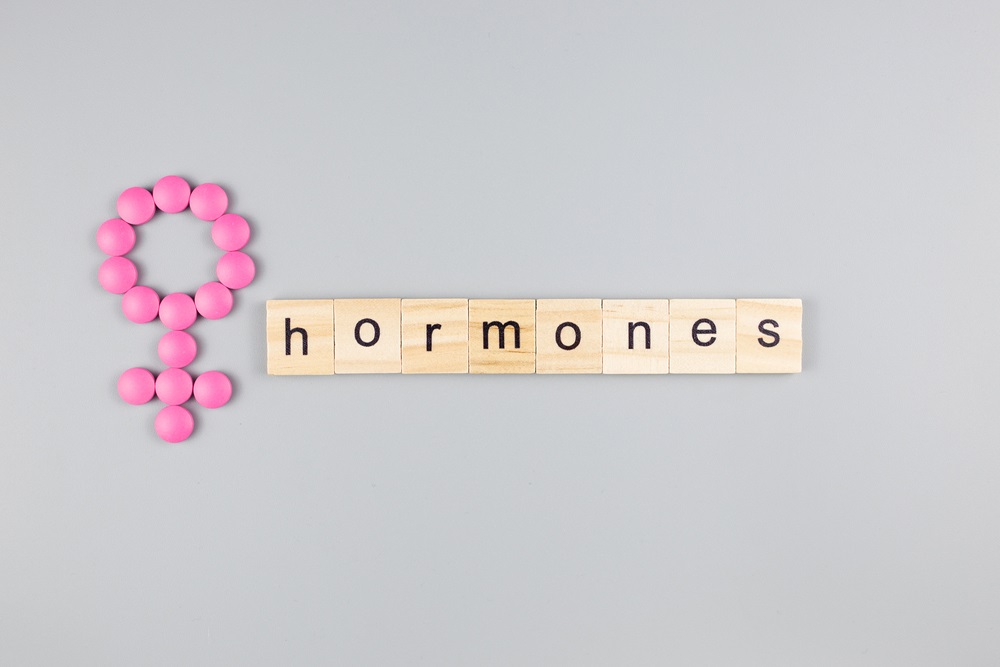
Hormones play an essential role in our overall health and well-being. They act as chemical messengers in our body, regulating metabolism, growth, mood, and reproduction. However, hormonal imbalances can occur due to stress, poor diet, lack of exercise, or certain medical conditions. Fortunately, there are supplements available that can help balance hormones naturally. This article will explore the 12 essential supplements that can aid in hormone balance and promote optimal health.
Always consult with a qualified practitioner before starting any new supplement regimen — especially if you have existing health conditions or take medications.
1. Vitamin D
Vitamin D is often called the "sunshine vitamin" because our body can produce it when exposed to sunlight. It plays a crucial role in hormone regulation, particularly in the production of testosterone and estrogen. Low vitamin D levels have been associated with hormonal imbalances, including hypothyroidism and insulin resistance. Vitamin D and K work synergistically together — a Vitamin D3 + K2 supplement can help maintain optimal hormone levels and improve overall health.
2. Omega-3 Fatty Acids
Omega-3 fatty acids are vital fats our body needs for various functions, including hormone production. They are particularly beneficial for balancing estrogen levels in women and reducing inflammation.
Sources of omega-3 fatty acids include fatty fish like salmon and mackerel, flaxseeds, and walnuts. However, consider taking an omega-3 fatty acid supplement if your diet lacks these foods.
3. Magnesium
Magnesium is a mineral that plays an important role in over 600 enzymatic reactions in the body, including hormone synthesis and metabolism. It helps regulate insulin levels, supports thyroid function, and reduces stress.
Many people are deficient in magnesium due to malabsorption and poor dietary choices. Taking a magnesium glycinate supplement can help correct this deficiency and promote hormone balance.
4. Ashwagandha
Ashwagandha is an adaptogenic herb used in traditional Ayurvedic medicine for centuries. It helps the body adapt to stress and promotes overall well-being.
Ashwagandha has been found to regulate cortisol levels, a hormone released in response to stress. By reducing cortisol levels, ashwagandha can help balance other hormones.
5. Maca Root
Maca root is a Peruvian herb known for its hormone-balancing properties. It is rich in vitamins, minerals, and antioxidants that support the endocrine system.
Maca root has been used to alleviate symptoms of hormonal imbalances, such as irregular menstrual cycles, hot flashes, and mood swings.
6. Vitamin B Complex
The B vitamins, including B6, B12, and folate, are crucial for hormone production and metabolism. They support the adrenal glands, which produce stress hormones like cortisol.
A deficiency in B vitamins can lead to hormonal imbalances and symptoms like fatigue, mood swings, and poor immune function. A vitamin B complex supplement can ensure an adequate intake of these essential nutrients.
7. Zinc
Zinc is essential in numerous enzymatic reactions, including hormone synthesis and regulation. It plays a crucial role in testosterone production and supports the health of the reproductive system. Zinc deficiency has been linked to hormonal imbalances, including low testosterone levels in men. Supplementing with zinc can help restore hormonal balance.
8. Evening Primrose Oil
Evening primrose oil is derived from the seeds of the evening primrose plant. It is a rich source of gamma-linolenic acid (GLA), an omega-6 fatty acid that supports hormonal balance.
Evening primrose oil has been used to alleviate premenstrual syndrome (PMS) symptoms, and helps to maintain healthy skin and joints.
9. Chasteberry (Vitex)
Chasteberry (also known as Vitex agnus-castus) is an herb used for centuries to support hormonal balance in women. It acts on the hypothalamus and pituitary glands, regulating hormone release in the menstrual cycle. Vitex has been shown to reduce symptoms of PMS and promote regular menstrual cycles.
10. Rhodiola Rosea
Rhodiola rosea is an adaptogenic herb that helps the body adapt to physical and mental stress. It has been used for centuries in traditional medicine to support hormone balance and improve overall well-being. Rhodiola rosea has been found to reduce cortisol levels, increase energy, and enhance mood.
11. Probiotics
Probiotics are beneficial bacteria that support a healthy gut microbiome. They play a crucial role in hormone metabolism and overall health. Imbalances in gut bacteria can lead to hormonal disruptions, inflammation, and other health issues.
Taking a high-quality probiotic supplement can help restore the balance of beneficial bacteria in the gut and promote hormone balance.
12. DIM (Diindolylmethane)
DIM is a compound derived from cruciferous vegetables like broccoli, cauliflower, and Brussels sprouts. It helps balance estrogen levels in the body by promoting the breakdown of estrogen into its beneficial metabolites.
DIM has been used to alleviate symptoms of estrogen dominance, such as heavy periods, bloating, and mood swings.
Frequently Asked Questions
Can supplements alone balance hormones?
While supplements can significantly balance hormones, they are most effective when combined with a healthy lifestyle. Factors such as diet, exercise, stress management, and sleep also impact hormone balance.
How long does it take to see results from hormone-balancing supplements?
The time it takes to see results can vary depending on the individual and the specific hormonal imbalances. Some people may experience improvements within a few weeks, while others may take several months. Consistency and patience are key.
Can I take multiple supplements together?
Taking multiple supplements together can be beneficial if they are safe to use in combination and do not exceed recommended dosages. However, consulting with a healthcare professional or a qualified nutritionist is advisable to ensure proper supplementation.
Are there any natural ways to balance hormones?
In addition to supplements, several natural approaches can help balance hormones. These include maintaining a healthy diet rich in whole foods, reducing stress through meditation or yoga, regular exercise, and adequate sleep.
Are there any side effects of hormone-balancing supplements?
Most of the supplements mentioned in this article are well-tolerated and have minimal side effects when taken as directed. However, individual reactions may vary.
Conclusion
Achieving hormone balance is essential for overall health and well-being. The 12 essential supplements discussed in this article can aid in balancing hormones naturally.
However, it is important to remember that supplements should complement a healthy lifestyle and not replace medical advice or treatment. Consult a healthcare professional to determine the best approach for your hormonal needs.
More articles
Am I in Perimenopause? 12 Early Signs Women Often Miss
Am I in perimenopause? Learn 12 early signs women often miss, from poor sleep and anxiety to bloating and histamine reactions, plus simple first steps.
Why Protein Powder Causes Bloating (Even If It's 'Clean')
Even clean protein powders can irritate sensitive guts. Here's why it happens, how to spot it, and what to do so you feel better after every shake.